
A storm doesn’t negotiate. It hits windows, roofs, fences, siding, and foundations without warning, and when it passes, homeowners are left wondering if the damage is cosmetic, structural, or just the beginning of something larger. In coastal cities like Vancouver, Burnaby, Coquitlam, North Vancouver, and West Vancouver, storms bring heavy rain, high wind, flying debris, drainage overload, and sudden temperature swings. The most common sequence we see is underestimated damage becoming hidden damage. A cracked siding panel becomes wet sheathing. A small roof gap becomes attic moisture. A leaning fence becomes a collapse later. A storm passes once, but water lingers the longest.
The first step in storm repair isn’t fixing what moved — it’s fixing what got wet. After a storm, the exterior of a home can look mostly normal while the internal layers are absorbing and holding water like a sponge. That’s why repairs that don’t include proper moisture pull-back, ventilation clearance, and sealed barriers fail faster than the storm caused them. The best approach is layered reconstruction. Remove damaged exterior panels, inspect the underlayer, treat mold-prone zones if moisture sat too long, replace softened sheathing, add new breathable barriers, install siding or exterior facade with correct runoff planning, align flashing angles properly, and ensure the system can drain and dry at the same speed that future storms will test it. Materials are protection, but installation method is performance.
Storm readers aren’t looking for poetic descriptions of rain — they want to know how bad it really is and how to stop it from costing twice. Here’s the biggest insight most homeowners don’t realize until they live through a winter after a big repair: A sealed home dries healthier, stays warmer, fails slower, and doesn’t smell damp when it rains again later. That is not luck. That is engineering. The phrase homeowners search for without typing it directly is this: Can someone fix this properly so I never have to redo it? That is the outcome we build for at Aftermath Contracting — homes repaired for climate, not repaired for appearance alone.
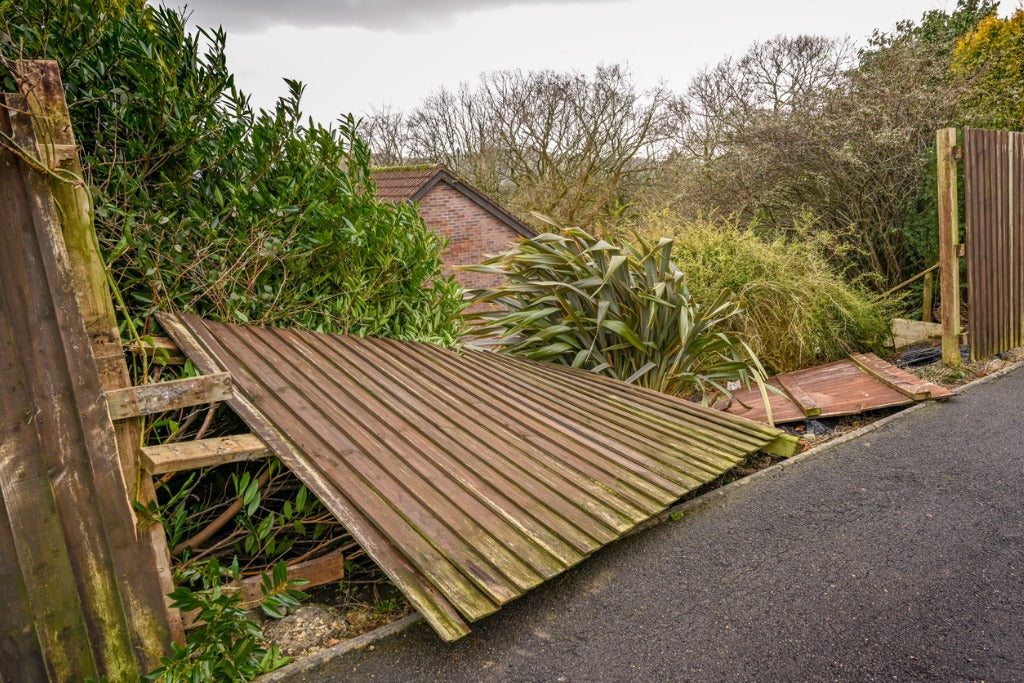
Fences take the hardest emotional hit after storms because they visually fail in dramatic ways. Wind-battered cedar fencing, flooded lower posts, soil softening around load-bearing fence anchors, and horizontal strain cracks become the difference between a fence that looks bruised and a fence that collapses. Repairs that rank highest aren’t just about rebuilding a fence — they’re about reinforcing how it loads into the ground, sealing the posts properly, and installing drainage clearance around the base so rain doesn’t rest permanently against it. A storm-damaged fence fixed properly stays straight through the next storm and stays valued through the next home inspection. That’s durability.
Roof damage is the riskiest silent spreader. When shingles lift, flashing loosens, or rooftop seals crack, the smallest gap becomes the largest problem over time. After a storm, the smartest way to inspect a roof is from the attack angle — not where it looks broken, but where wind could have entered. The strongest repair includes realigning flashing, installing weather-rated roof underlayment, sealing ridge cap seams, reinforcing problem zones, and adding runoff direction that doesn’t pool toward seams. A home that leaks at the roof loses heat the fastest and creates filtered moisture the longest. That leads to mold. That leads to insulation breakdown. That leads to repeated repairs. That’s why roof replacement, repair, and ventilation-rated sealing are among the highest contracting searches in BC’s wet climate cities.
Siding repairs after storms are about keeping water off the skeleton. Storm debris, sudden pressure changes, and exterior strain cracks mean the most durable siding replacements are panels built to drain, layered into high-grade barriers, flashed into correct runoff angles, and vented into breathing clearance so the house can naturally shed moisture. A wall that can breathe can also dry. A wall that can dry can also stay mold-free later. A wall that’s mold-free maintains resale price better.
When homeowners search storm damage, they’re really searching for confidence for the next one. A home upgrade that protects against water intrusion, debris zones, exterior panel failure, insulation erosion, fence anchoring strain, and roof lift gaps is a home that doesn’t just look restored — it performs restored. That is what protects long-term wallet drain and repeat renovation timelines. The storm only tested the home once. Poor repairs test homeowners forever. Good repairs test once.
At Aftermath Contracting, we don’t just rebuild storm damage — we rebuild peace of mind for the next storm season.


