
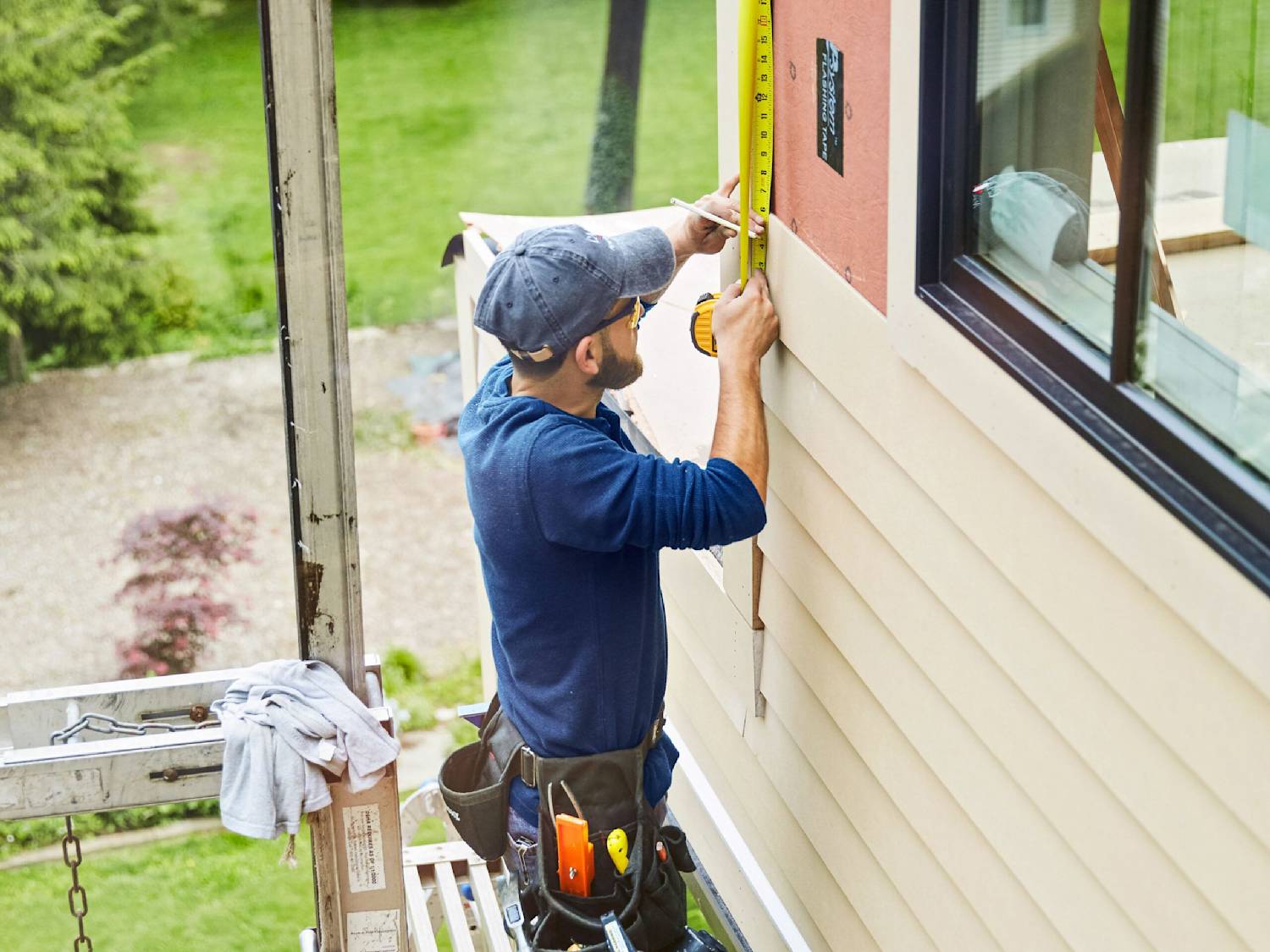
 If you live in Vancouver, Burnaby, Coquitlam, North Vancouver, or West Vancouver, your siding has a tougher job than most other places in the world. It’s not there just to look nice — it’s the first line of defense between your home and nonstop moisture.
Rain, coastal humidity, ocean winds, and cold seasonal shifts wear exterior walls down faster than homeowners plan for. When siding ages out, water begins to slip past the surface and settle into places it should never reach.
Why This Is One of the Most Googled Home Renovation Topics in Metro Vancouver
Here’s the pattern we see again and again:
Homeowners start searching online only after they notice:
Fading or dark streaks on siding
Panels twisting, buckling, or swelling
Walls that suddenly feel colder indoors
Higher energy bills with no obvious cause
The reason it gets searched so much is simple:
Siding problems don’t stay siding problems.
They spread into wood rot, mold risk, insulation damage, and expensive internal repairs if not handled properly.
What’s Happening Behind the Wall When Siding Fails
Moisture doesn’t always pour in dramatically — most damage comes from small amounts of water over long periods of time.
When water bypasses old siding, it can:
Saturate wood sheathing
Sit against framing boards
Turn insulation damp or deformed
Create humid wall cavities (ideal for mold growth)
Leak vapor back into indoor air
Because it sits inside the wall, not inside the room, homeowners often have no idea until the damage is advanced.
Waterproof Materials Don’t Guarantee a Waterproof Home
A big misconception:
“If I choose vinyl, fiber cement, or premium panels… mold and rot won’t happen.”
Not exactly.
Even the strongest material fails when:
Flashing isn’t lined up properly
Seams aren’t layered to drain
Moisture barriers stop at edges instead of overlapping
Water run-off paths aren’t planned
Ventilation space behind panels is ignored
It’s not just about blocking water — it’s about giving water an exit route.
The goal is: wet fast, dry faster.
What a Proper Siding Replacement Should Include
A siding project built for this climate should focus on:
✔ A continuous moisture barrier (not patch sections)
✔ Sealed and correctly angled flashing around doors/windows
✔ Small drainage and airflow space behind panels
✔ Panels installed to shed water downward, not trap it
✔ A system designed for long-term damp resistance
This type of installation reduces:
Future emergency repair costs
Repeat contractor call-backs
Heat escaping through cold wet walls
Wall cavity humidity buildup
It also improves:
Energy efficiency
Exterior lifespan
Home value at resale
Indoor air quality
The #1 Question Every Homeowner Really Wants Answered
People might type into Google:
“How long does siding last here?”
“Which siding is best in rain?”
But the question underneath is always:
“Can this be fixed in a way that lasts?”
And the honest answer depends on who installs it and how it’s built — not just what panels get used.
How Aftermath Contracting Fits Into This Conversation
Homeowners usually don’t want a sales pitch when searching online. They want clear explanations they can understand before spending thousands.
Our approach is simple:
We treat siding like a protection system, not a quick exterior swap
We focus on how moisture moves in local environments
We plan projects to avoid internal damage years after install
A siding job done properly means:
You fix your home once, not repeatedly.
Final Thought
In this climate, water exposure is normal.
The issue isn’t that homes get wet.
The issue is when walls can’t dry.
Replace siding with a system built to drain, vent, and defend, and you dramatically reduce the chance of rot, mold, insulation decay, and long-term structural problems.
Done right, it becomes a long-term upgrade — not a recurring expense.
#AftermathContracting #SidingReplacement #WetClimateRenovation #CoastalHomeRepair #VancouverContractors #BurnabyContracting #CoquitlamReno #NorthVancouverHomes #WestVancouverLiving #ExteriorWallProtection #MoldPreventionSiding #SheathingRepair #EnergyEfficientHomes #HouseDraftFix #StopWallRot #ContractorExpertsBC #HomeExteriorUpgrade #WaterRunoffDesign #MoistureBarrierInstall #FiberCementSiding #VinylDoneRight #SidingVentilationGap #HiddenWaterDamage #DryFasterThanWet #CoastalWindProtection #SaltAirDamage #WallCavityControl #HomeResaleValue #ThermalWallFix #ColdWallSolutions #LocalContractorsMetro #RenoWithoutRepeat #FixItForGood #ExteriorShieldingSystem #InteriorAirQualityMatters #HumidityProofing #DraftFreeWinter #RainEngineeredHomes #PacificClimateBuild #HouseArmorSystem #ExteriorReno2025 #ContractorTrustBC #LicensedAndInsuredReno #BestSidingPractices #SidingButSmarter #ClimateFirstBuild #HouseProtectionTips #NoMoreCallBacks #OnceNotTwice #ThermalLossRebuild


