
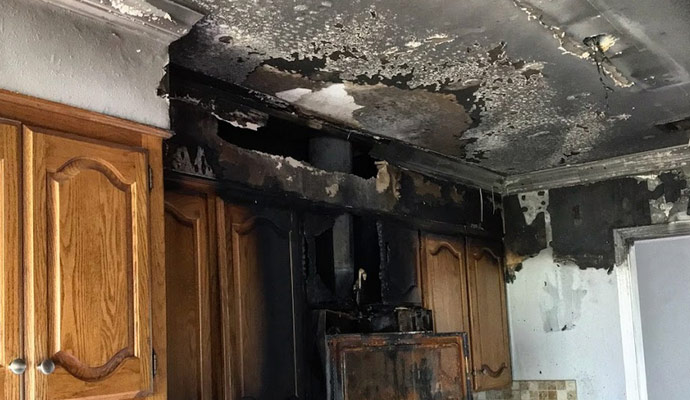
A house fire is one of the most devastating events a homeowner can experience. While the immediate damage from flames is often the most visible, the true impact of a fire goes much deeper. Smoke, soot, heat, and even the water used to extinguish the fire can all contribute to long-term damage. Proper restoration requires more than just repairs—it demands a complete and professional approach. That’s why services from Aftermath Contracting are essential for fully restoring a home after fire damage.
Recovering from a fire isn’t just about rebuilding—it’s about making your home safe, clean, and livable again.
The Different Types of Fire Damage
Fire damage is not limited to what is burned. Several different types of damage occur during and after a fire, each requiring specific treatment.
Flame Damage
This is the most obvious type, affecting walls, ceilings, and structural components.
Smoke Damage
Smoke can spread throughout the entire home, leaving behind odor and residue.
Soot Damage
Soot is highly acidic and can stain and damage surfaces if not removed properly.
Water Damage
Water used to put out the fire can soak into materials and lead to additional issues like mold.
Each type of damage must be addressed carefully to ensure full restoration.
Hidden Damage After a Fire
Even after visible damage is cleaned up, hidden problems can remain.
Common hidden issues include:
- Smoke particles trapped in walls and insulation
- Lingering odors embedded in materials
- Structural weakening from extreme heat
- Corrosion of metal surfaces
- Moisture buildup leading to mold growth
Without proper inspection and treatment, these issues can worsen over time.
The Fire Damage Restoration Process
Professional fire damage restoration follows a detailed process to ensure every aspect of the home is properly addressed.
1. Emergency Inspection
Experts assess the full extent of the damage, including hidden areas.
2. Securing the Property
Boarding windows and stabilizing structures helps prevent further damage.
3. Smoke and Soot Removal
Specialized cleaning techniques remove harmful residues from surfaces.
4. Odor Elimination
Advanced deodorization methods are used to remove persistent smoke smells.
5. Water Removal and Drying
Any water damage is treated to prevent mold and structural issues.
6. Repairs and Reconstruction
Damaged areas are repaired or rebuilt to restore the home.
This comprehensive approach ensures nothing is overlooked.
Health and Safety Concerns
Fire damage can create serious health risks if not handled properly.
Some of the main concerns include:
- Poor indoor air quality from smoke particles
- Exposure to harmful chemicals in soot
- Mold growth from water damage
- Structural instability
Professional restoration ensures the home is safe before it’s fully occupied again.
The Importance of Acting Quickly
Time is critical after a fire. Delaying restoration can lead to additional damage and higher costs.
Quick action helps:
- Prevent permanent staining from soot
- Reduce lingering smoke odors
- Minimize water-related damage
- Protect structural integrity
- Speed up the recovery process
The sooner restoration begins, the better the outcome.
Supporting Homeowners Through Recovery
Recovering from a fire is not just a physical process—it’s also an emotional one. Homeowners often face stress, disruption, and uncertainty during this time.
Having professional support helps:
- Simplify the restoration process
- Reduce stress and confusion
- Ensure high-quality repairs
- Restore confidence in the safety of the home
Support makes a difficult situation more manageable.
Preventing Future Fire Damage
While not all fires can be prevented, there are steps homeowners can take to reduce risk:
- Install and maintain smoke detectors
- Keep fire extinguishers accessible
- Avoid overloading electrical outlets
- Regularly inspect heating systems
- Practice fire safety habits
Preparation can make a significant difference.
Final Thoughts
Fire damage is more complex than it appears, involving multiple types of damage that require professional attention. Proper restoration is essential to fully recover and ensure your home is safe, clean, and structurally sound.
With the right expertise and a thorough approach, homeowners can rebuild, recover, and move forward with confidence.
#AftermathContracting
#StormDamage
#StormRestoration
#EmergencyCleanup
#HomeRestoration
#FloodDamage
#WindDamage
#RoofRepair
#DamageRestoration
#StormCleanup
#HomeRepair
#PropertyRestoration
#EmergencyRestoration
#DamageControl
#HomeMaintenance
#RestorationExperts
#PropertyMaintenance
#HomeProtection
#MoldPrevention
#RepairServices
#ProfessionalContractors
#HomeImprovement
#StructuralRepair
#BuildingRestoration
#RepairProfessionals
#ReliableContractors
#StormDamageExperts
#HomeSafety
#PropertyCare
#RestorationSolutions
#HouseRepair
#EmergencyRepair
#PropertySolutions
#HomeRecovery
#RepairSolutions
#DamageSupport
#HomeProjects
#ConstructionServices
#SafeHomes
#PropertySupport
#EmergencyServices
#RestorationCompany
#StormRecovery
#HomeRepairExperts
#PropertyProtection
#RestorationProfessionals
#StormServices
#FloodCleanup
#WeatherDamage


