

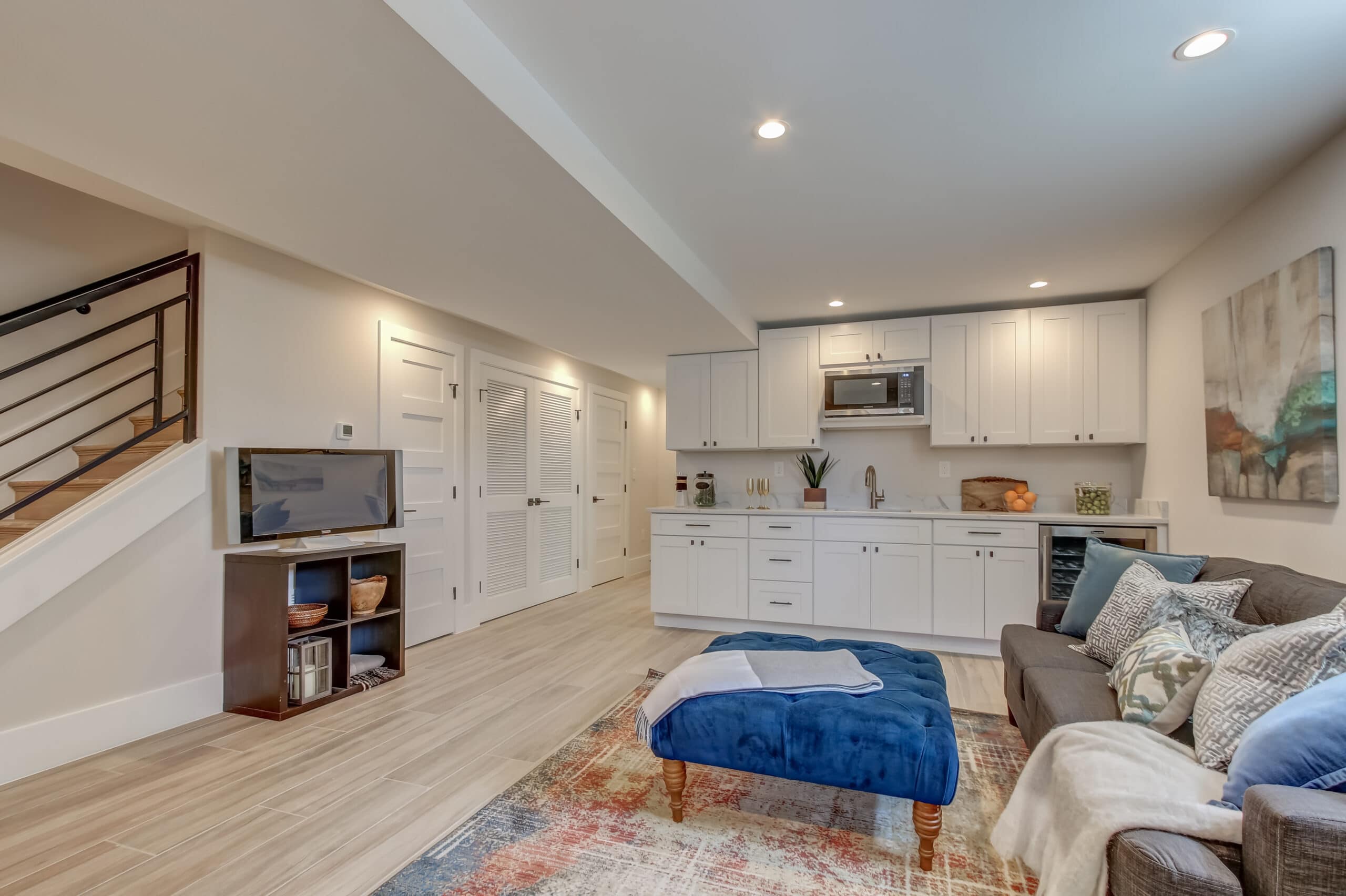
 Make More of the Space You Already Have
Many homeowners have an entire level of their home that isn't being used to its full potential.
A basement might serve as a storage area, laundry room, or place to keep belongings that don't fit elsewhere. But with thoughtful planning, it can become one of the most useful spaces in the house.
Whether you want a comfortable family room, a home office, a guest area, or a more organized layout, a basement renovation can help you get more out of your property.
At Aftermath Contracting, the goal is to help homeowners approach renovation projects with functionality, quality, and long-term value in mind.
Here are some ideas to consider before starting your basemen...


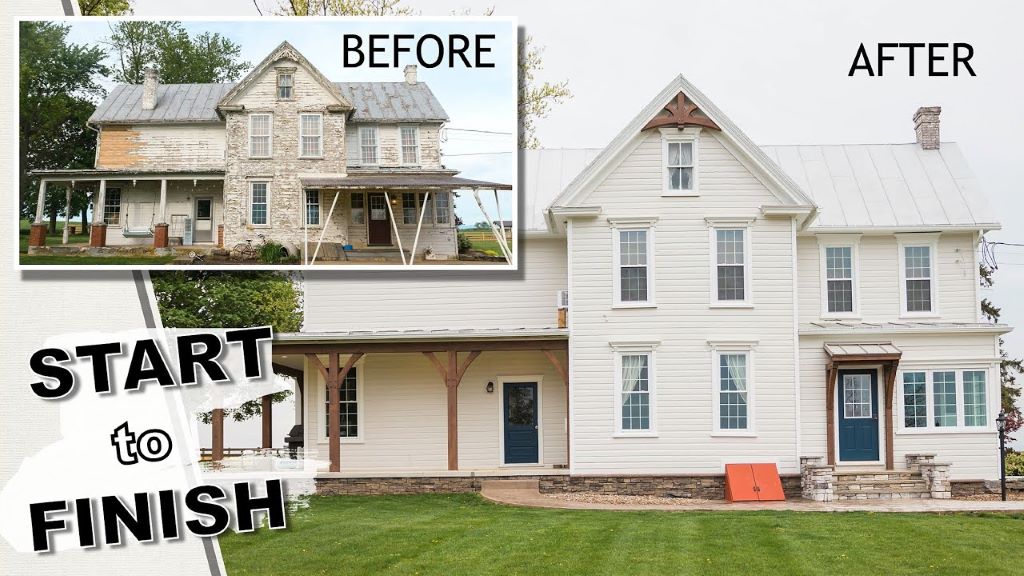 Modern Comfort Meets Original Character
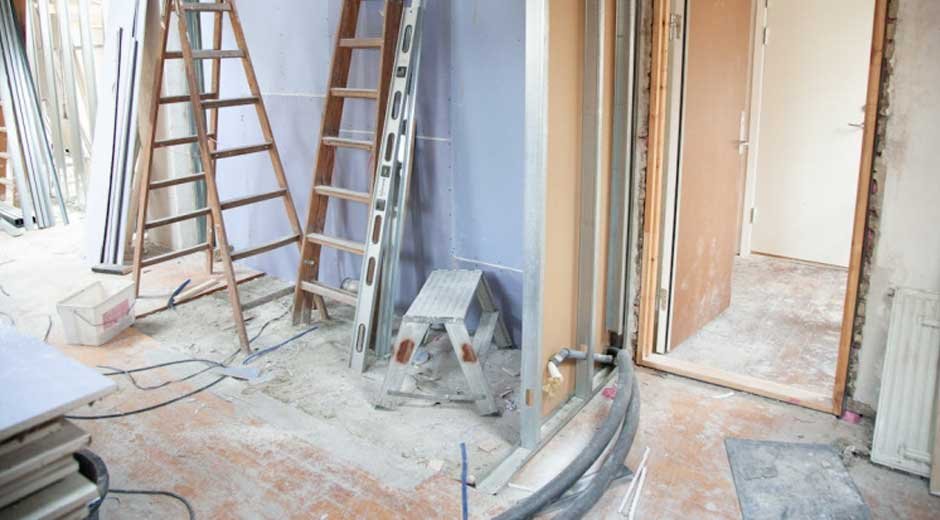 You Don't Always Need a Major Renovation
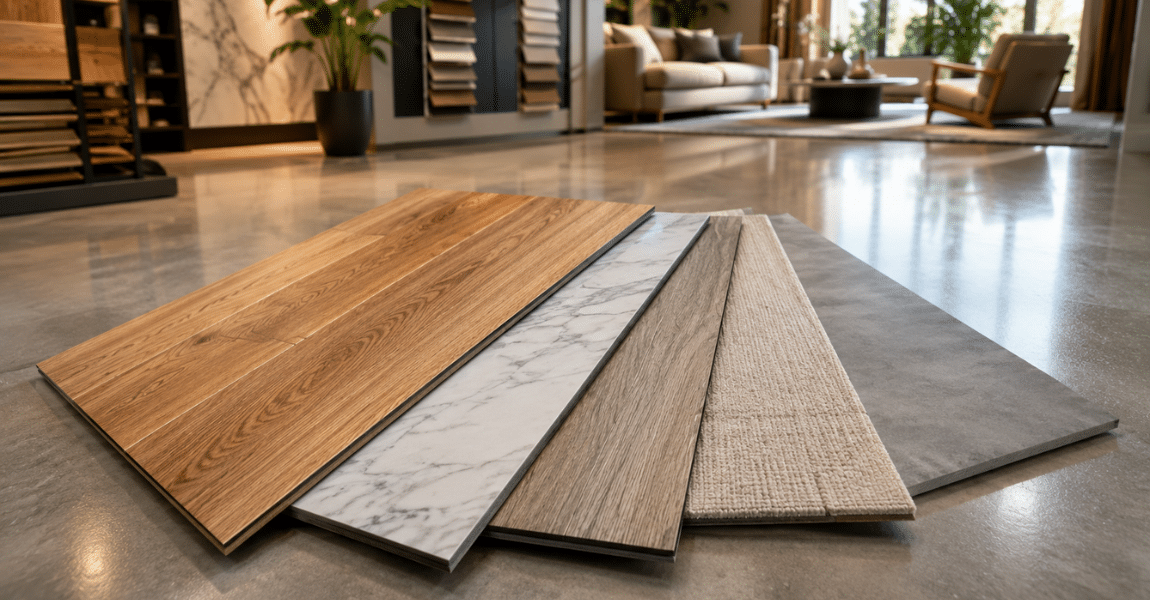 Flooring Is More Than Just a Design Choice
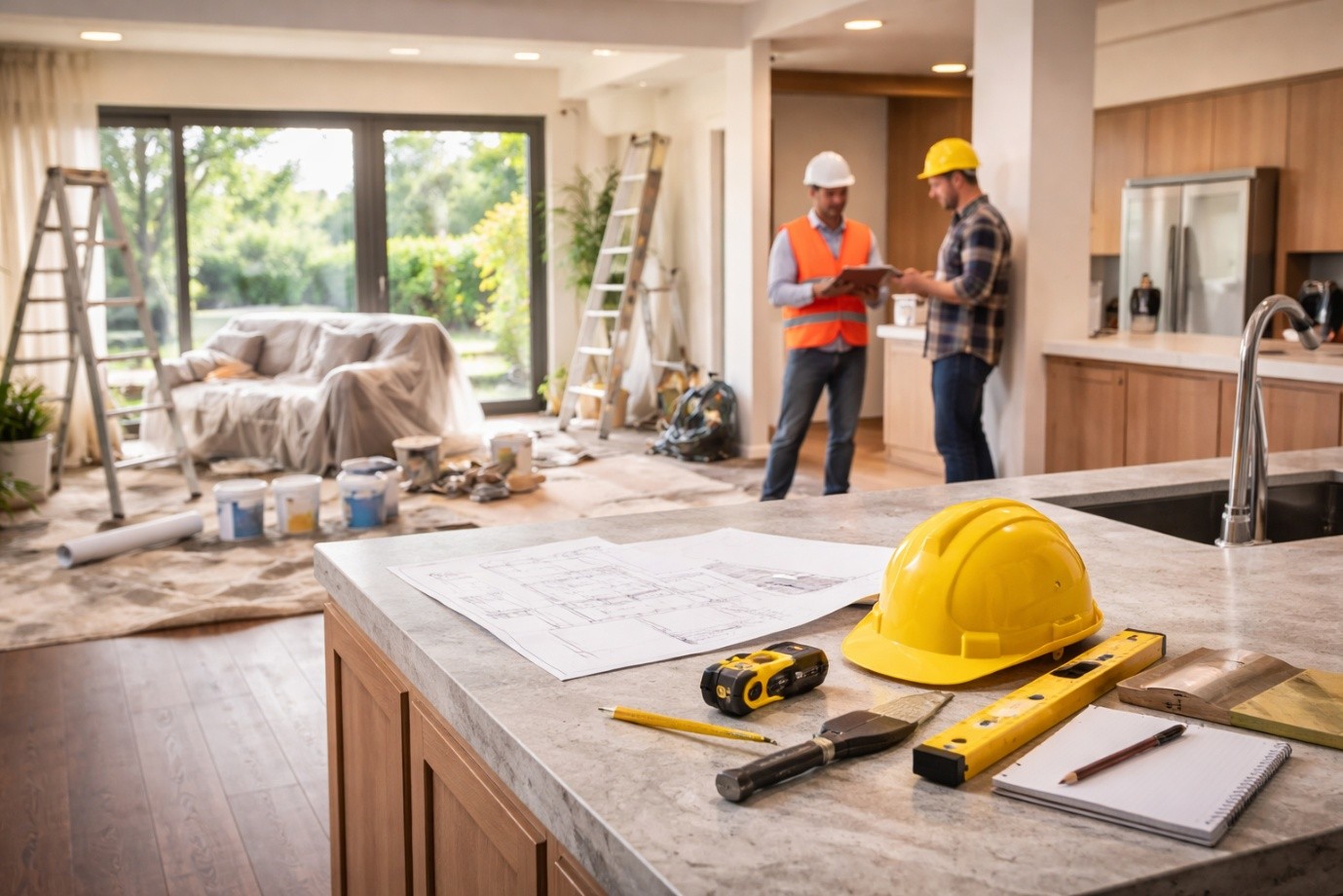 A Great Renovation Starts With a Great Plan
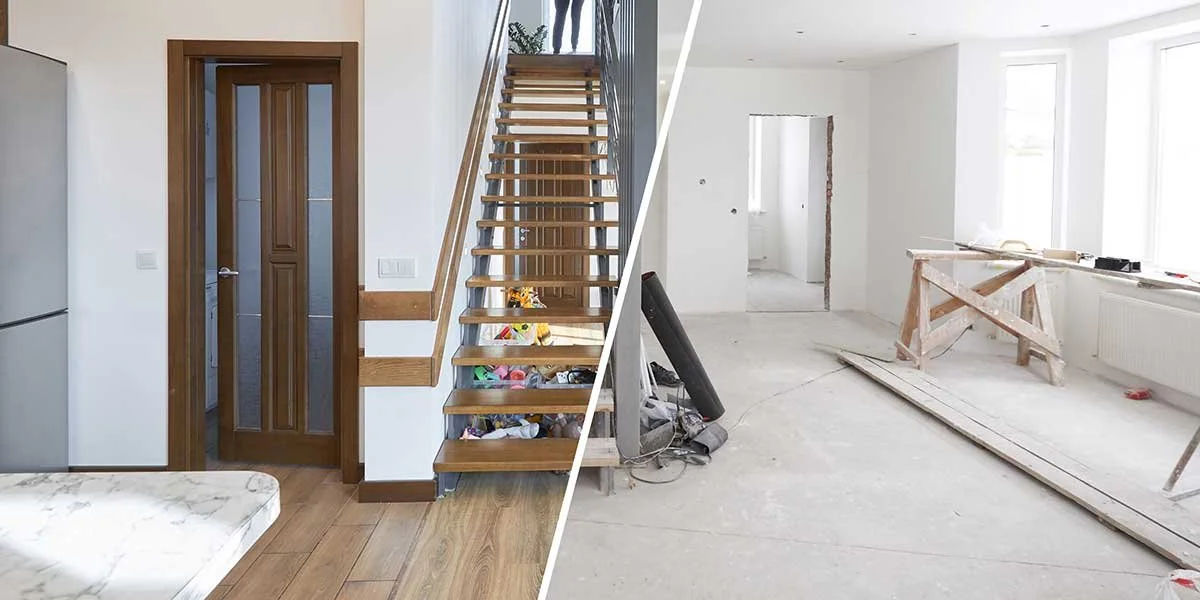 A Great Renovation Starts Before Construction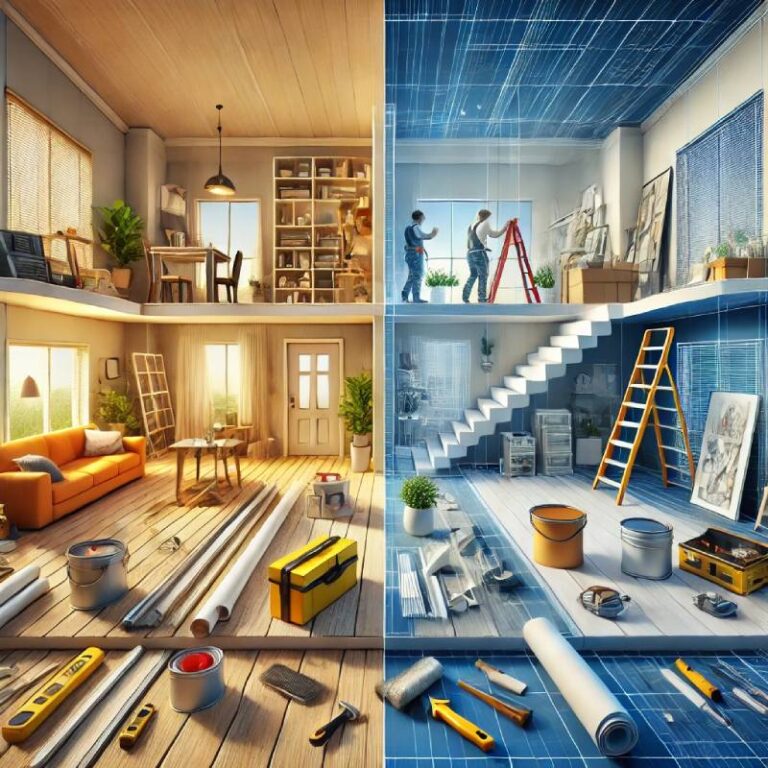
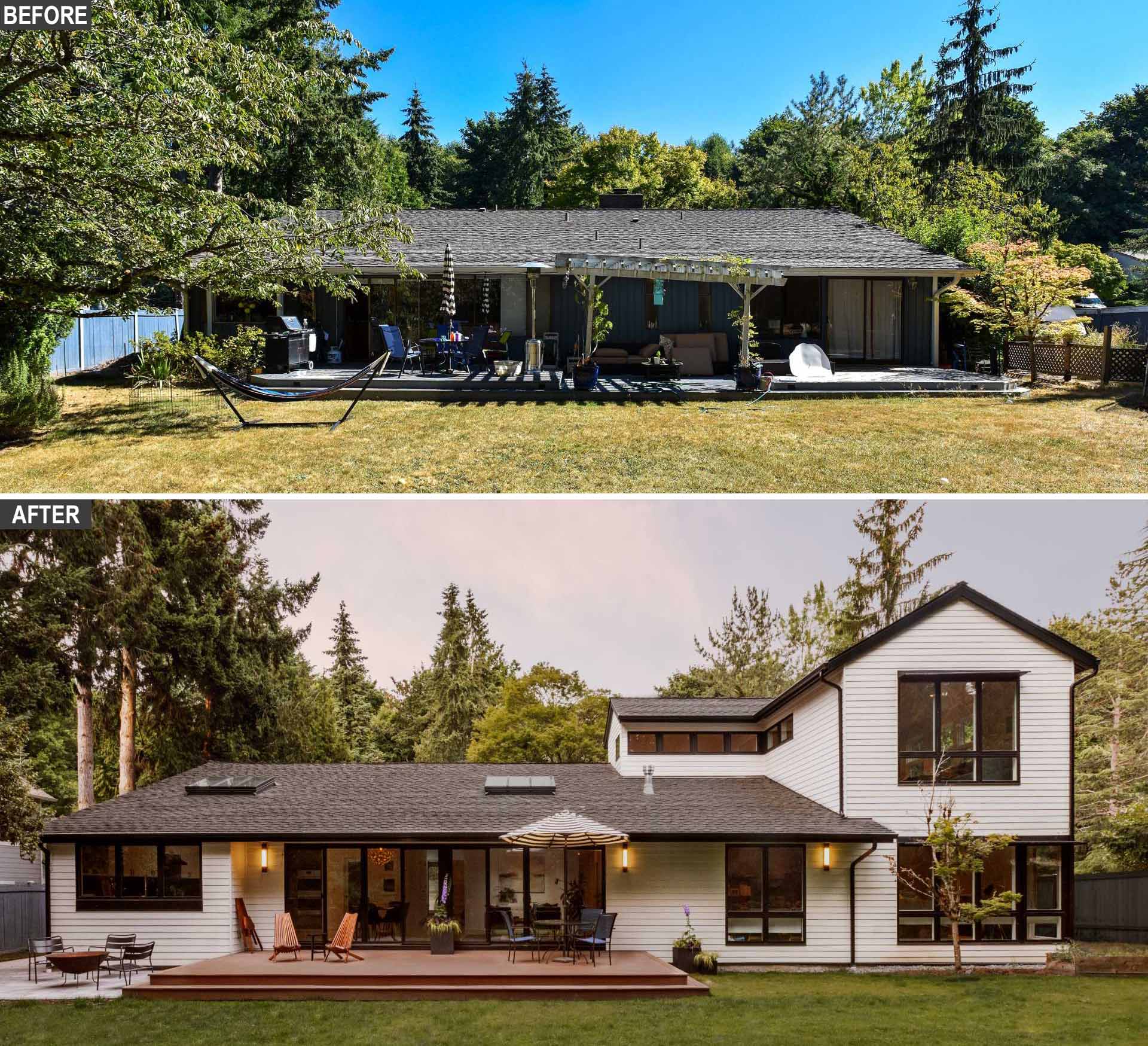 Your Home Has More Potential Than You Think
 When Is It Time to Renovate?