


Your Home Should Fit Your Lifestyle
Every homeowner has a different vision for their ideal space.
For some, it's a kitchen designed for entertaining. For others, it's a peaceful bathroom, a finished basement, or an outdoor area where the family can spend more time together.
The best renovations aren't simply about following trends.
They're about asking a more important question:
"How can my home work better for me?"
At Aftermath Contracting, renovations are approached with that idea in mind—combining practical design with quality construction to create spaces that homeowners can enjoy for years.
🔨 Start With the Problem
Before choosing finishes or picking paint colors, identify what's actuall...


 Your Home Should Evolve With You
 Your Home Should Work for You
 Not every renovation starts with a dramatic problem.
 A home is where life happens.
 A successful renovation isn't measured by how dramatic the transformation looks.
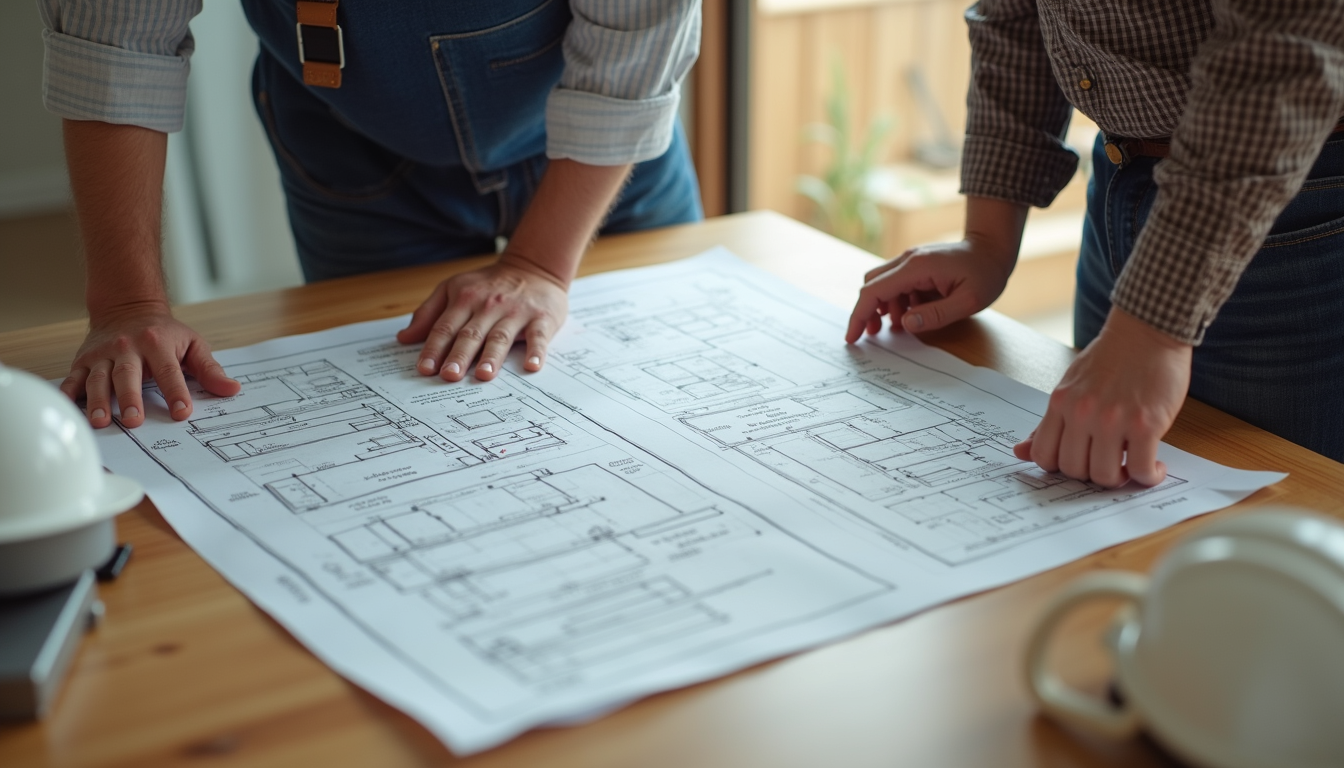 A home should evolve with the people who live in it.
 When most people think about renovating, they think about resale value.
 A home is much more than four walls and a roof.
 Renovating your home is exciting.