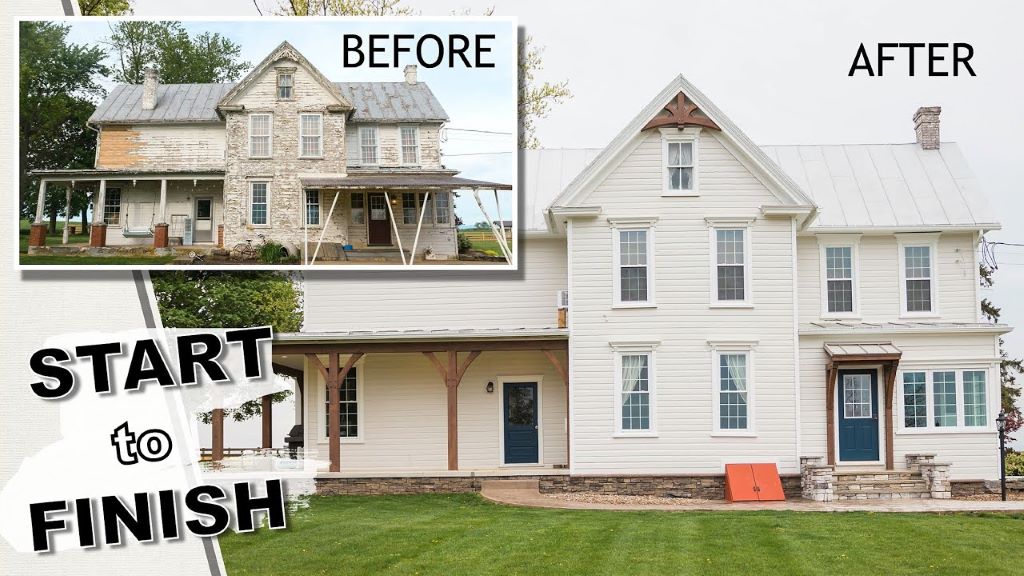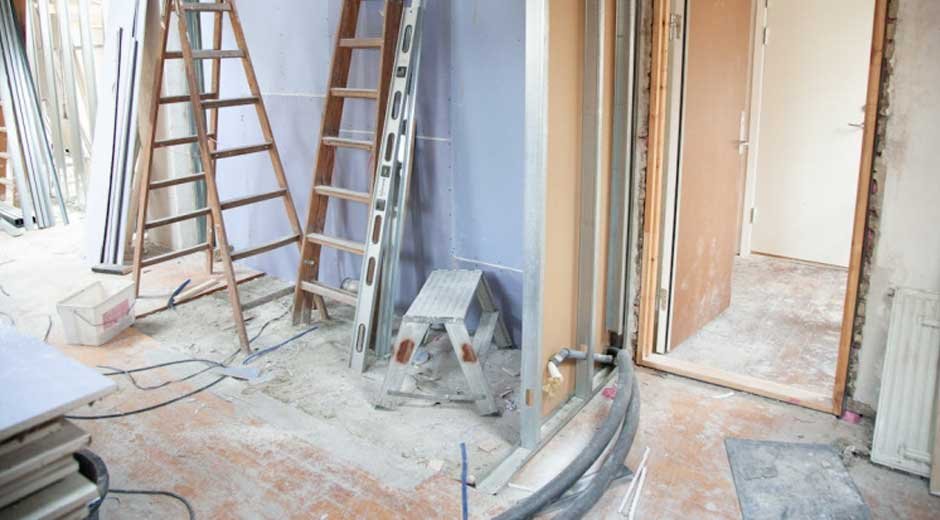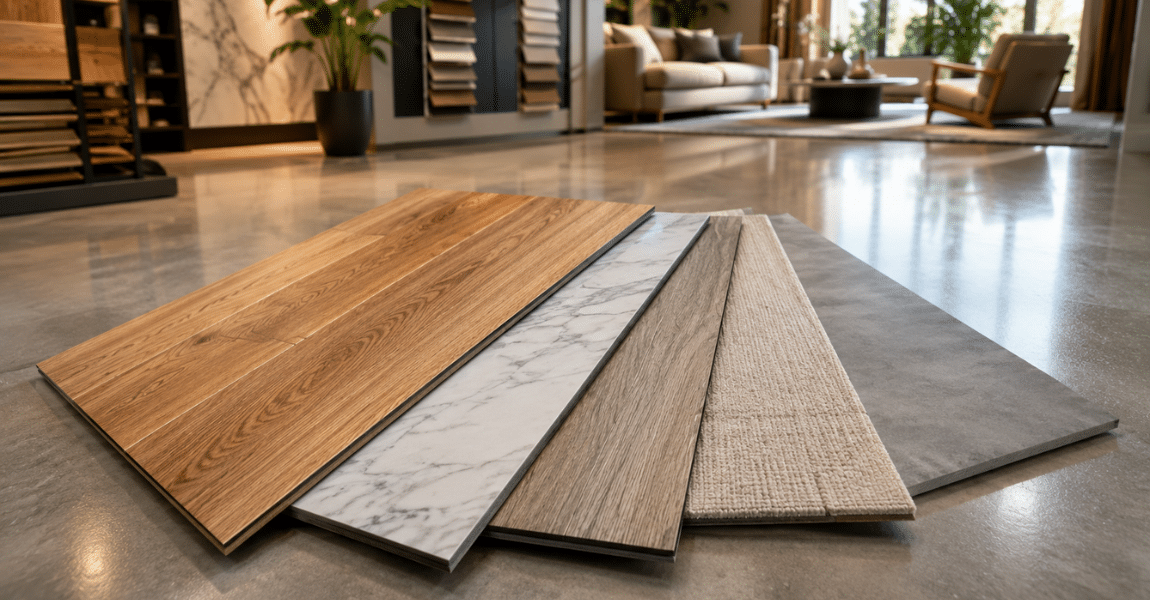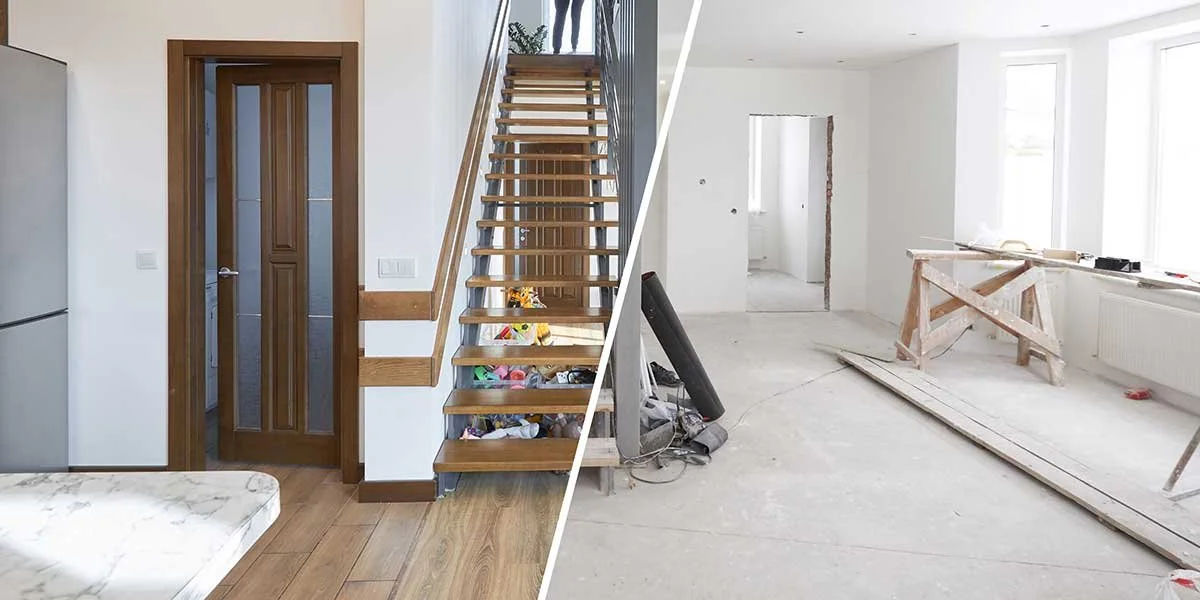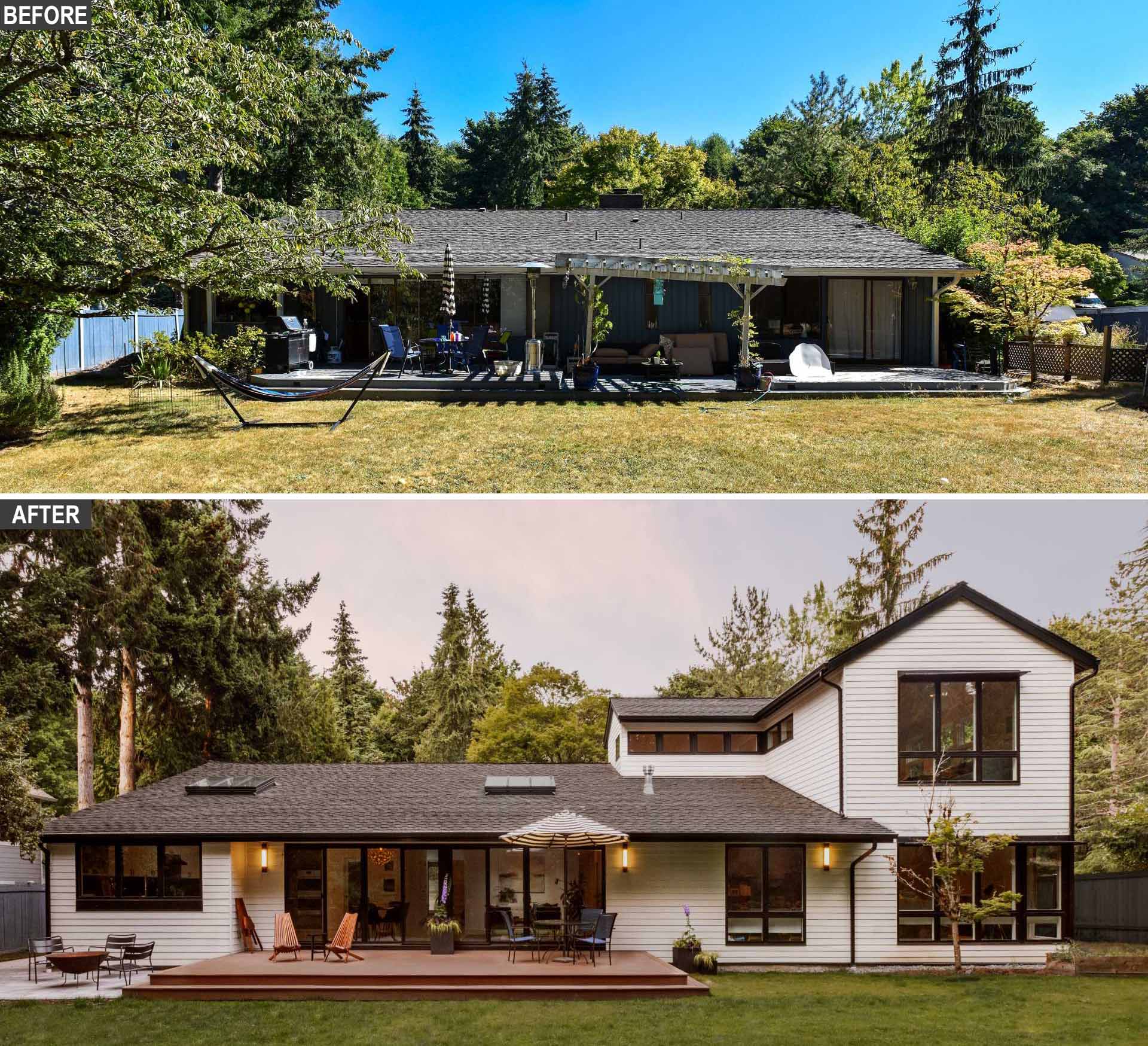
Many homeowners believe the success of a renovation comes down to materials and finishes. In reality, the biggest factor is planning. Poor planning leads to blown budgets, extended timelines, and results that don’t match expectations. Strong planning, on the other hand, turns renovations into smooth, predictable projects with lasting results.
At Aftermath Contracting, we see firsthand how much stress can be avoided when projects are mapped out correctly from the start.
Where Renovations Commonly Go Wrong
Renovations usually run into trouble when:
The scope of work isn’t clearly defined
Hidden issues aren’t accounted for
Timelines are based on best-case assumptions
Trades aren&rsqu...


In today’s fast-paced world, homeowners are often encouraged to prioritize speed and low cost when it comes to renovations. While quick fixes may seem appealing, true craftsmanship remains one of the most important factors in protecting your home’s value, safety, and longevity.
Many homeowners only think about repairs when something breaks. A leak appears, paint starts peeling, or damage becomes impossible to ignore. But the most cost-effective approach to home ownership isn’t reactive — it’s preventative maintenance.
One of the most common frustrations homeowners face during a repair or renovation is timing. What starts as a “quick fix” can turn into weeks of unexpected delays, rescheduled trades, and added costs. Many homeowners wonder why projects don’t move as smoothly as promised—and more importantly, how to prevent it from happening in their own homes.
Most serious home repairs don’t start as emergencies. They begin quietly—an odd smell, a hairline crack, a slow leak, or a door that suddenly doesn’t close properly. Homeowners often search online once the problem has already escalated, wondering how something “minor” turned into a costly repair.
When interior paint starts peeling, bubbling, or flaking, most homeowners assume it’s just poor paint quality or normal wear and tear. In reality, paint failure is usually a warning sign that something deeper is happening inside the home.
Many homeowners put off small repairs because they don’t seem urgent. A loose piece of trim, a hairline crack in drywall, a sticking door, or peeling paint often gets pushed aside for “later.” The problem is that small issues rarely stay small—especially in homes exposed to moisture, daily use, and changing weather.
Most homeowners don’t notice exterior problems until they become expensive. Peeling paint, soft spots, loose trim, clogged gutters, or small cracks in siding don’t look like much — but in a wet climate like the Lower Mainland, those small issues turn into major repairs faster than people realize.
Most homeowners wait until spring or summer to start their renovation projects. It feels like the “right time” — warmer weather, longer days, and a general sense of productivity.